
207 Ceramic XHT Fluid

PT. Sukses Chemigas Indonesia

An epoxy novolac coating designed to protect equipment from erosion and corrosion in high temperature immersion environments, resisting fluid flow up to 180°C (356°F).

Description

207 Ceramic XHT Fluid is a solvent free epoxy novolac coating designed to protect equipment exposed to water, pressurised steam, and aqueous/hydrocarbon mixtures at elevated temperatures. Once fully cured, the coating provides reliable protection in continuous immersion environments such as water, saltwater, and hydrocarbon mixtures, withstanding temperatures up to 180°C (356°F). It offers long term protection against erosion, corrosion, and thermal cycling.

Engineered for high temperature immersion, it offers high resistance to abrasion and wear, while providing strong adhesion to metal substrates. The solvent free formulation ensures minimal environmental impact and reduced exposure to harmful chemicals during application, making it an eco-friendly choice. The easy-to-apply formula provides a smooth finish when used with a brush, roller, or spray.

Key Features
  • Resists high temperature fluid flow environments up to 180°C (356°F)
  • Suitable for hydrocarbon and aqueous immersion
  • Provides protection against erosion and corrosion
  • High resistance to abrasion and wear
Typical Applications
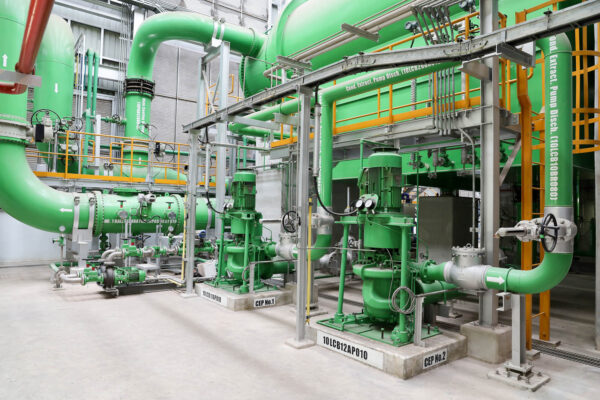
  • Condensate extraction pumps
  • Return tanks
  • Calorifiers
  • Distillation units
  • Evaporators
  • Heat exchangers
  • Scrubber units
  • Filters
  • Process vessels

Related Products

106 Metal Repair Paste XF

A fast curing, solvent free epoxy ideal for rapid metal repairs. Bonds underwater, requires minimal preparation, and is fully machinable for consistent, reliable results.

203 Super Flow

An erosion and corrosion resistant epoxy coating designed for fluid flow applications, improving flow efficiency by reducing wear and damage in harsh process environments.

204 UHD Paste

Solvent free, high build ceramic epoxy paste for protecting surfaces against extreme impact and sliding abrasion from aggregates and wet slurries.
Scroll to Top